Kees Groeneveld interviewed by ‘Onze Haven’
Kees Groeneveld (58) has the characteristic signature of a Rotterdam port man: jovial, good with jokes, and down-to-earth. The sliding doors remain wide open. “Or would you rather have them closed? I have nothing to hide and this way I am involved in what is happening in the department.” He gestures towards the planners who are staring intently at their screens.
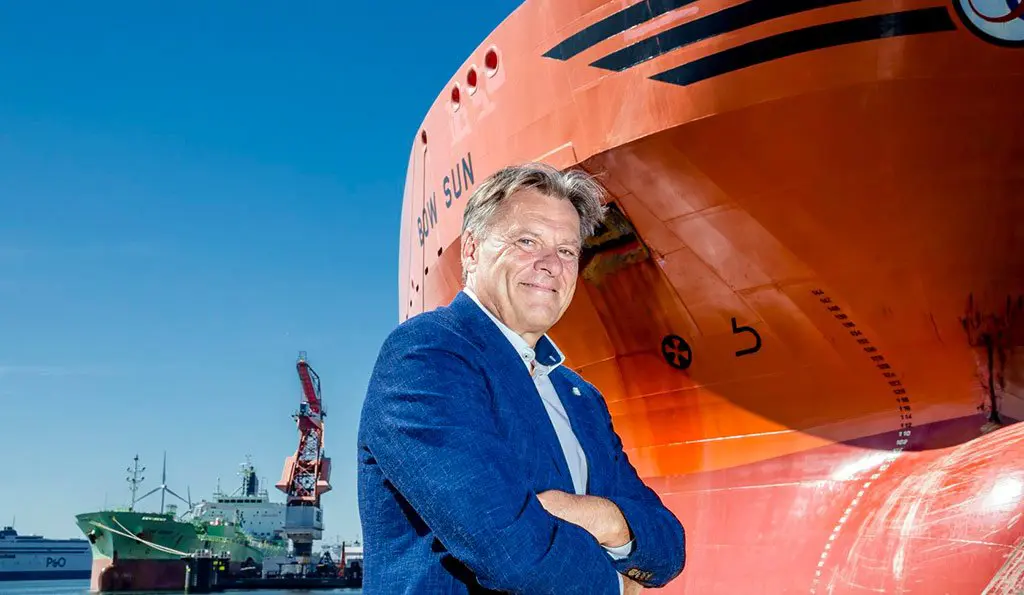
That young Groeneveld would find employment in the harbor was actually a no-brainer . His father was a captain in small merchant shipping, and during the summer holidays, he sailed along, all over Europe. “The highlight for me was the water clerk who brought the mail on board. That’s what I wanted to become. Not sailing, because it meant being away from home for far too long.”
After high school, Groeneveld started as a junior clerk at Astramaris, the agent for the liner shipping company Zim at the time. He obtained his driver’s license and became a water clerk, at that time still an offline profession that captured the romantic imagination. “Fantastic years,” he confirms, beaming. “No mobile phones, a pager only in the final years; you were completely on your own to solve problems. It was a fun time too; you socialized with everyone, of all nationalities, ranks, and social classes.”
A perfect training ground, Groeneveld believes. “Many directors started out as water clerks. You learn not only everything about shipping, but also how to make well-considered decisions, because everything has financial consequences. But I also gained insight into human nature there, and I have grown as a person in general.”
After eight years, he opted for offshore: “I did purchasing, from cables to fish. Not my world; you often had to wait for the order, and waiting”—he laughs heartily for a moment—“is not in the dictionary. For me, it has to be immediate.”
After positions at Anthony Veder and Rhenus, among others, he embarked on his Euro Nordic adventure in 1999. The self-made entrepreneur confesses: “I never considered school important, but I paid the price for that later. Education, courses, pff.”
Emancipated? No
Martine, his 19-year-old daughter does that better. “She is studying International Business Administration and she is a fantastic student.” His wife, originally from Norway—director of a Norwegian company and Consul of Norway—is also successful, Groeneveld says. “She has always worked full-time; for us, it was never a question of who would work less. My daughter has her mother’s ambition, because I am actually not ambitious; I never planned anything, everything just happened to me. I was lucky. The right time, the right place, and I met the right people.”
Then a beautiful, well-dressed woman stands in the doorway. With a businesslike question. “What a coincidence, I was just talking about you.” “No way?” responds Ellen Aarvaag Groeneveld, feigning shock. As she leaves the room, he follows her with a proud look. Is Groeneveld a feminist? A booming laugh follows: “Let’s not exaggerate. But definitely emancipated; I am in favor of equal opportunities.”
Euro Nordic Logistics has just celebrated its twentieth anniversary. A jack-of-all-trades, the CEO explains: “Cargo agent, freight forwarder, chartering company, logistics service provider, and warehousing. We help our clients with production right through to delivery. We arrange trucks, rail transport – just everything.” The owner is the Norwegian industrial group Elkem, but emotionally, it feels different. “This is my company, our company!” Groeneveld says passionately, “And I certainly share that sentiment with the employees from the very beginning.” Euro Nordic is thriving, he assures. “From eleven employees back then, to one hundred and twenty now. And in Rotterdam alone, we handled over three thousand ships last year.”
Clenched buttocks
There were setbacks as well. Quite the opposite: “In 2007 and 2008, we lost a major contract, and on top of that came the crisis. I was really clenching my buttocks then, having sleepless nights. During that period, we started developing other initiatives, and they turned out well. And we didn’t have to lay anyone off. We emerged stronger.” The director does not have an immediate end goal in mind: “I am not so focused on objectives, but rather on seizing opportunities time and again. So, big, bigger, biggest is not my top priority. We are still a growing organisation, and we are going to become much more robust, but first and foremost, you simply have to be good at what you do.”
Groeneveld, born and raised in Vlaardingen, feels like a Rotterdammer. And is ‘super proud’ of the port. A glowing ode follows: “I enjoy showing foreign guests the port. Always action, always dynamism. The grandeur of the ships, the cranes, the grabbers… Besides my wife, I owe my career to the port. And this great company.”
Out of gratitude and social commitment, Groeneveld holds various port-related board positions. Noblesse oblige. A future Port Man of the Year? Groeneveld visibly dismisses the suggestion shyly: “Too much honour, too ambitious, and… I’m not done here yet.”
Standing strong
Kees, however, is not blind. “You shouldn’t call everything rotten and burn things down, but be critical of what can be improved.” Groeneveld begins: “There are matters that worry me. True Rotterdam port entrepreneurs like Hans Vervat, Albert van Ommen, Peter Goedvolk, Ron de Roo, André Kramer, and the list goes on, are a dying breed. Their place is increasingly being taken by international conglomerates. With all that Arab, Danish, and Chinese money, there is virtually no connection left with Rotterdam. Unfortunately, you cannot stop this, but I express the hope that Rotterdammers will step forward who have the means to engage in full-fledged business in the port.”
He also adds a critical note regarding the current focus on the energy transition and digitalization. “That is all the rage right now . Don’t get me wrong, sustainability is very important, but if we want to retain cargo, we must also continue to pay attention to the port’s customers. I don’t hear anyone talking anymore about: how do we get more cargo, more ships, and more employment? We must be careful that the customers don’t become the neglected stepchild. Most of what happens in the port is still good, but with the competition hot on our heels, we *must* remain alert!”
Other news
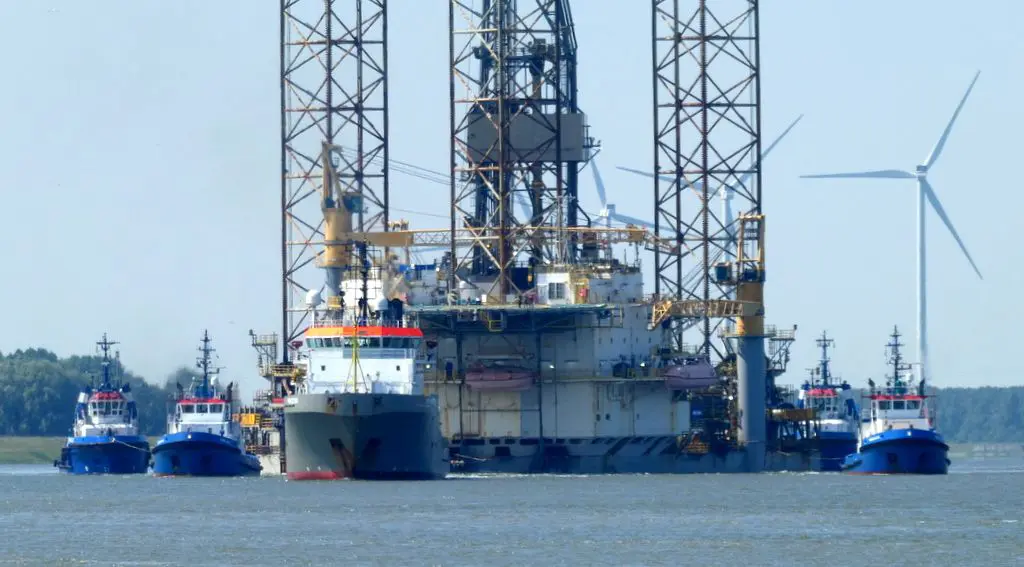
An impressive sight at the Maasmond
The self-elevated drilling rig, Prospector 1, has safely arrived at Mammoet in Schiedam for repair and mobilization.
Read more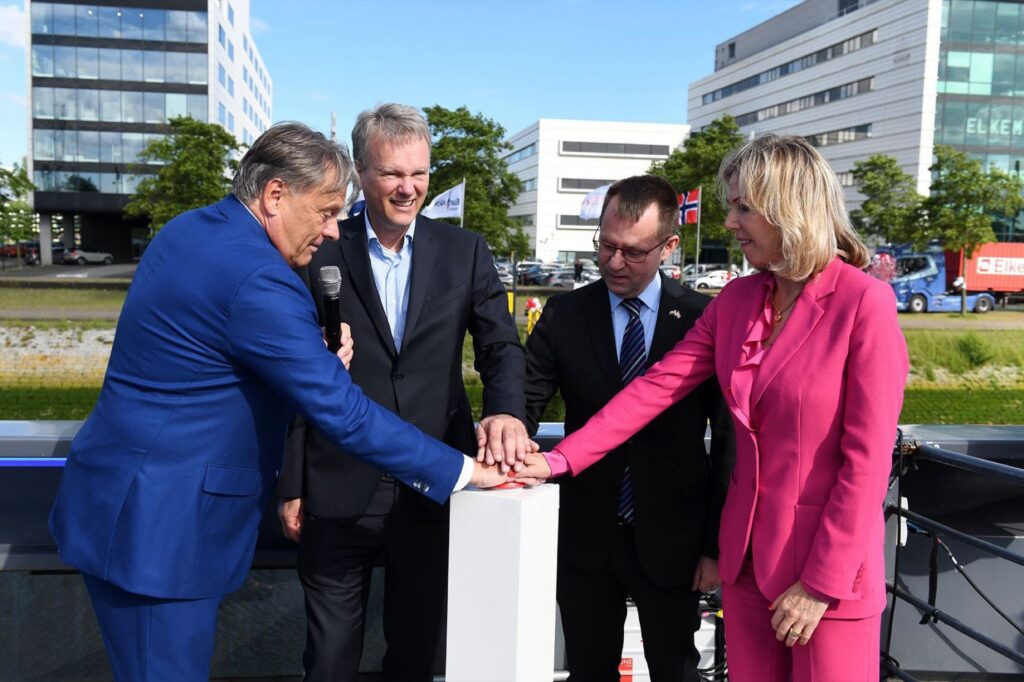
A magnificent milestone for Euro Nordic Logistics
A special moment in the company history: our new headquarters at Waalhaven in Rotterdam are officially opened.
Read more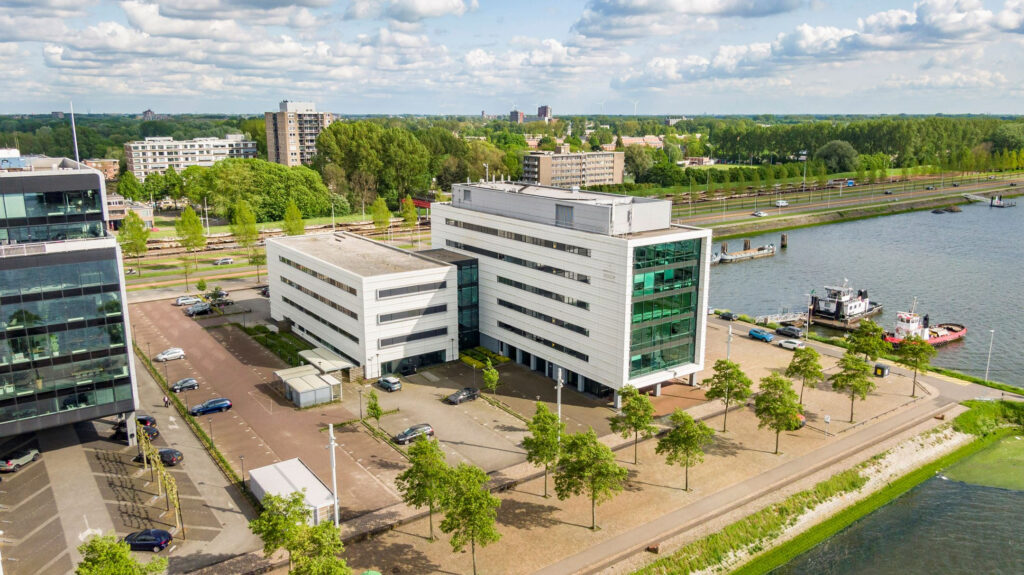
Euro Nordic Logistics is moving
Euro Nordic Logistics has relocated her headquarters to the heart of the Rotterdam port: Waalhaven.
Read more